Embark on a journey to [Discover Cheap Tiny Home Alternatives: Affordable Living Made Possible]. In this comprehensive guide, we unveil a world of compact dwellings that redefine affordability and sustainability. Uncover ingenious designs and practical solutions that transform limited square footage into livable spaces. Learn how these tiny homes embrace eco-friendly practices, minimizing environmental impact and promoting a harmonious lifestyle. Explore the diverse options available, from cozy cabins to minimalist studios, and discover how you can make the transition to a cost-effective and environmentally conscious living arrangement.
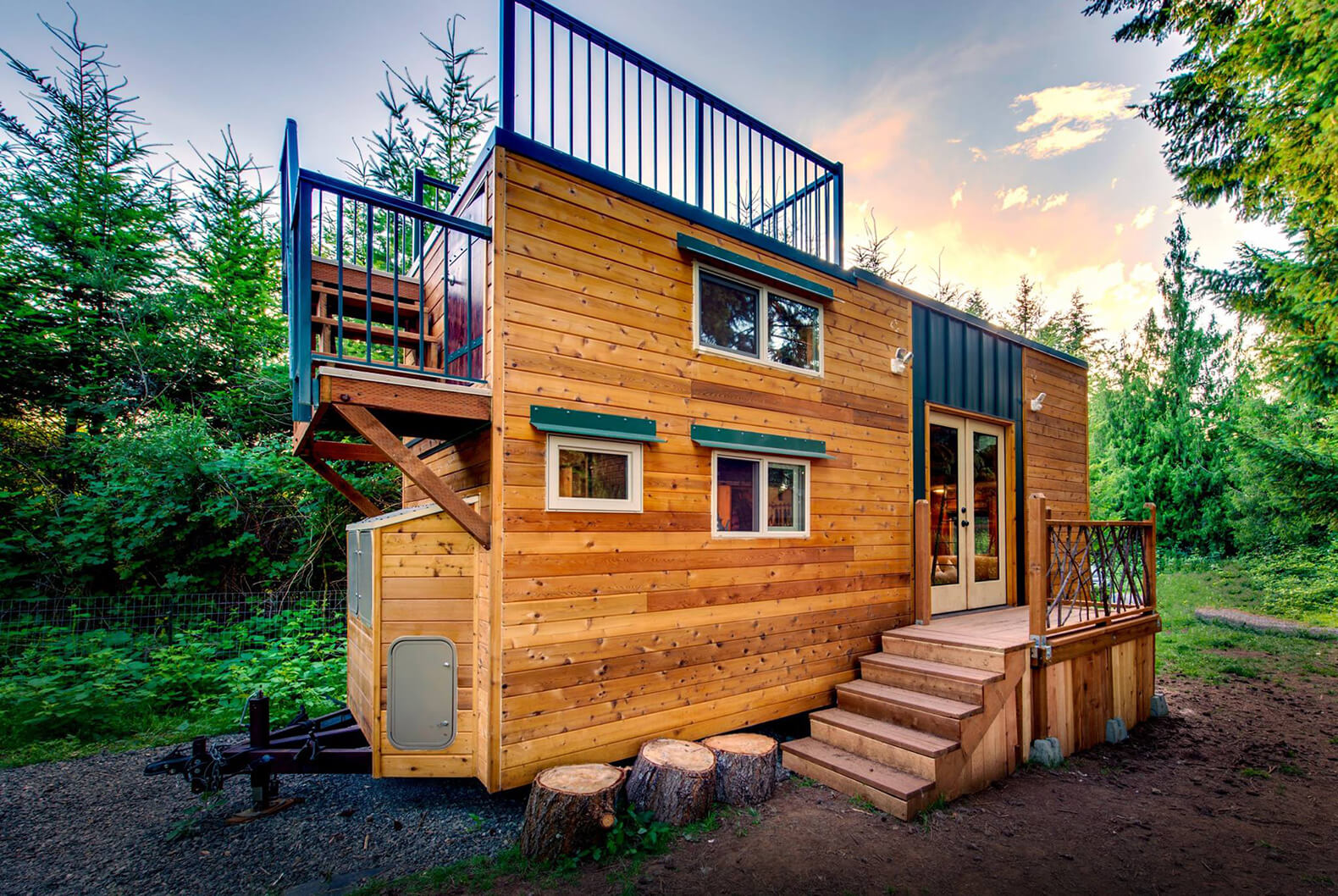
Cheap Tiny Home Alternatives:
Unlocking the World of Affordable Living
In an era where living spaces continue to shrink while costs soar, cheap tiny home alternatives offer a beacon of hope for those seeking affordable and sustainable living solutions. These compact abodes challenge traditional notions of homeownership, presenting a unique blend of comfort, functionality, and affordability.
Advantages of Cheap Tiny Home Alternatives:
Affordability: Compared to traditional homes, cheap tiny home alternatives offer significant cost savings. This is particularly appealing for first-time homebuyers, those with limited budgets, or individuals seeking a more economical lifestyle.
Mobility: Cheap tiny home alternatives are often portable, allowing you to relocate easily. This flexibility appeals to those with a nomadic lifestyle, those seeking adventure, or those looking to live closer to nature.
Sustainability: Cheap tiny home alternatives often prioritize eco-friendly construction materials and energy-efficient appliances. This commitment to sustainability can reduce your carbon footprint and lessen your environmental impact.
Customization: Cheap tiny home alternatives provide ample opportunities for customization. You can tailor your home to reflect your unique style and personality, creating a cozy and personalized living space.
Types of Cheap Tiny Home Alternatives:
RV/ Camper Vans: Explore the open road with an RV or camper van. These self-contained vehicles offer a blend of comfort and mobility, making them ideal for adventurers and nature enthusiasts.
Shipping Container Homes: Transform shipping containers into sturdy and stylish living spaces. These homes offer durability, affordability, and a unique aesthetic that appeals to those seeking a modern and industrial look.
Prefab Tiny Homes: Opt for prefab tiny homes for a quick and efficient construction process. These homes are built off-site and assembled on your chosen location, providing a cost-effective and customizable housing solution.
Bus Conversions: Unleash your creativity and transform old buses into cozy and functional living spaces. Bus conversions offer a unique and spacious alternative to traditional tiny homes, allowing for more customization and personal touches.
A-Frame Cabins: Embrace the simplicity and charm of A-frame cabins. These compact and triangular-shaped homes are both economical and visually appealing, making them a popular choice for those seeking a rustic retreat.
Steps to Building or Acquiring a Cheap Tiny Home Alternative:
Research and Planning: Gather information on different cheap tiny home alternatives to determine which suits your lifestyle and budget. Research local regulations, zoning laws, and building codes to ensure compliance.
Financial Planning: Assess your budget and explore financing options. Consider loans, grants, or crowdfunding campaigns to cover the costs of building or acquiring your cheap tiny home alternative.
Design and Construction: Engage a qualified architect or contractor to design and construct your cheap tiny home alternative. Discuss your desired layout, features, and materials to create a personalized and functional living space.
DIY Projects: For those with DIY skills, consider building your cheap tiny home alternative from scratch. This approach can save costs and allow for complete customization. However, ensure you have the necessary skills and tools to complete the project successfully.
Furniture and Decor: Choose furniture and decor that maximize space utilization and reflect your personal style. Opt for compact and multifunctional pieces to create a comfortable and cozy living environment.
Maintenance and Care:
- Regularly inspect your cheap tiny home alternative for any signs of damage or wear and tear.
- Keep up with cleaning and maintenance tasks to extend the lifespan of your home.
- Consider energy-efficient appliances and practices to minimize energy consumption and save money.
Embracing the concept of cheap tiny home alternatives opens up a world of possibilities for those seeking affordable, sustainable, and unique living solutions. By carefully researching, planning, and constructing your dream home, you can unlock the benefits of tiny living while staying within your budget.
Looking for a budget-friendly, compact home? cheap small back house for rent near me offers affordable options.
Searching for cost-effective tiny home ideas? Discover economical designs and strategies at cheap tiny home build.
Seeking the most budget-friendly home and land packages in Perth? Explore cheapest home and land packages perth and make your dream home a reality.

Considerations Before Building or Buying
Thinking of joining the tiny home movement? Here are some important factors to consider before you start building or buying your own tiny home:
1. Know Your Budget
Tiny homes can be an affordable option, but they can still require a significant investment. Before you start building or buying, you need to have a realistic idea of how much you can afford to spend. This includes not just the cost of the home itself, but also the cost of land, utilities, and any permits or fees required.
2. Choose the Right Location
The location of your tiny home is important for a number of reasons. You’ll need to find a place that’s zoned for tiny homes, and you’ll also need to consider factors like access to utilities, proximity to work or school, and the local climate.
3. Consider Your Lifestyle
Tiny homes are typically designed for simple living, so you’ll need to make sure you’re comfortable with the idea of living in a small space. Think about your daily routine and what activities you need to be able to do in your home. You’ll also need to consider how you’ll store your belongings and whether you have pets.
4. Decide How You Want to Build or Buy
There are two main options for getting a tiny home: building it yourself or buying one that’s already built. Building your home can be a great way to save money and customize your home to your exact specifications, but it requires a lot of time, effort, and skills. Buying a tiny home is a quicker and easier option, but it can be more expensive.
5. Research Different Types of Tiny Homes
There are many different types of tiny homes to choose from, so it’s important to do your research and find one that fits your needs and budget. Some popular types of tiny homes include:
- Traditional Tiny Homes: These are small homes that are built on a trailer chassis. They are typically between 200 and 400 square feet in size.
- Park Model Homes: These are small homes that are designed to be parked in a mobile home park. They are typically larger than traditional tiny homes, and they may have more amenities.
- Modular Tiny Homes: These are small homes that are built in sections and then assembled on-site. They are typically more expensive than traditional tiny homes, but they can be built more quickly.
- Convertible Tiny Homes: These are small homes that can be converted from other structures, such as shipping containers or old buses. They are typically the most affordable type of tiny home, but they may require more work to convert.
6. Get the Proper Permits and Inspections
Before you start building or buying a tiny home, you need to make sure you have the proper permits and inspections. This will vary depending on your location, so it’s important to check with your local building department.
7. Consider Energy Efficiency
Tiny homes are often more energy-efficient than traditional homes, but there are still a few things you can do to make your home even more efficient. This includes things like using energy-efficient appliances, installing solar panels, and using LED lighting.
8. Plan for Maintenance and Repairs
Tiny homes require regular maintenance and repairs just like any other home. You’ll need to make sure you have a budget set aside for these expenses.
9. Consider Resale Value
If you’re planning on selling your tiny home in the future, you’ll need to consider its resale value. This will depend on a number of factors, including the location, the condition of the home, and the current market conditions.
10. Enjoy Your Tiny Home!
Once you’ve built or bought your tiny home, it’s time to enjoy it! Tiny homes can be a great way to live a more sustainable and affordable lifestyle.
Key Takeaways:
- Know your budget before you start building or buying.
- Choose a location that’s zoned for tiny homes.
- Consider your lifestyle and make sure you’re comfortable with living in a small space.
- Decide whether you want to build or buy a tiny home.
- Research different types of tiny homes to find one that fits your needs and budget.
- Get the proper permits and inspections.
- Consider energy efficiency when designing your tiny home.
- Plan for maintenance and repairs.
- Consider resale value if you’re planning on selling your tiny home in the future.
- Enjoy your tiny home!
Step-by-Step Guide to Building a Tiny Home
Building a tiny home can be a rewarding and cost-effective way to own a cozy and sustainable living space. Whether you’re a seasoned DIYer or a novice builder, this step-by-step guide will walk you through the process, providing clear instructions and practical tips to help you create your dream tiny home:
Step 1: Gather Inspiration and Plan Your Build
- Embark on a visual journey through magazines, websites, and social media to gather design ideas.
- Determine the size and layout of your tiny home based on your needs and budget.
- Create a detailed floor plan, considering the placement of windows, doors, and furniture.
Step 2: Choose a Building Method
- Opt for a stick-built method for greater customization and flexibility in design.
- Consider a prefabricated tiny home kit for a quicker and more efficient construction process.
Step 3: Acquire Permits and Materials
- Research local building codes and regulations to ensure compliance.
- Obtain the necessary permits and licenses for your tiny home build.
- Source high-quality materials that align with your budget and design preferences.
Step 4: Prepare the Foundation
- Select a suitable location for your tiny home, considering factors like drainage, soil conditions, and access to utilities.
- Pour a concrete slab foundation or install a pier foundation system.
Step 5: Construct the Frame
- Build the frame of your tiny home using sturdy materials like wood or steel.
- Ensure proper insulation to maintain a comfortable indoor temperature year-round.
Step 6: Install Windows and Doors
- Choose energy-efficient windows and doors that complement the overall design of your tiny home.
- Consider adding skylights to maximize natural light and ventilation.
Step 7: Complete the Exterior
- Install siding, roofing, and gutters to protect your tiny home from the elements.
- Add a coat of paint or stain to enhance the curb appeal.
Step 8: Design the Interior Layout
- Plan the layout of your tiny home, considering the placement of furniture, appliances, and storage spaces.
- Install walls, partitions, and built-in features to create functional living areas.
Step 9: Install Utilities
- Connect your tiny home to essential utilities such as electricity, plumbing, and sewage.
- Opt for energy-efficient appliances and fixtures to reduce your environmental impact.
Step 10: Furnish and Decorate
- Choose furniture and décor that maximize space and reflect your personal style.
- Incorporate multifunctional pieces and storage solutions to keep your tiny home organized and clutter-free.
Step 11: Final Touches and Inspections
- Add final touches like lighting fixtures, hardware, and landscaping to complete the look of your tiny home.
- Schedule inspections with local authorities to ensure compliance with building codes and regulations.
Key Takeaways:
- Gather inspiration, plan your build, and choose a suitable building method.
- Acquire necessary permits, materials, and prepare the foundation.
- Construct the frame, install windows and doors, and complete the exterior.
- Design the interior layout, install utilities, and connect appliances.
- Furnish and decorate your tiny home, adding final touches and completing inspections.
Financing and Cost-Saving Tips
Tiny homes provide a fantastic opportunity for affordable living. But the initial costs can still seem daunting. Let me share some savvy Financing and Cost-Saving Tips to make your tiny home dream a reality.
1. Explore Financing Options
Take Advantage of Government Grants:
- Research local, state, and federal programs that support sustainable and affordable housing.
Investigate Loans:
- Consider an FHA or VA loan if you qualify.
- Compare interest rates and terms from multiple lenders.
- Opt for a shorter loan term to reduce interest paid.
2. Research Affordable Construction Methods
Select Resourceful Building Materials:
- Reclaimed wood, recycled materials, and salvaged items can save a bundle.
3. DIY Projects to Save Big
Embrace Do-It-Yourself:
- Take on simple tasks like painting, installing fixtures, and basic carpentry.
4. Keep Design Simple
Prioritize Functionality:
- A minimalist approach reduces costs and speeds up the building process.
5. Scout Affordable Land Options
Look for Creative Spaces:
- Consider rural areas, tiny house communities, and low-cost land.
Key Takeaways:
- Government grants and loans can ease the financial burden.
- Resourceful construction methods and DIY projects cut costs.
- Simple design and affordable land choices save money.
- Research and planning help you stay on budget.
- Tiny living doesn’t have to break the bank.

FAQ
Q1: What are some affordable tiny home alternatives that are available?
A1: There are numerous affordable tiny home alternatives to consider, including converted vans, yurts, park model RVs, container homes, and mobile tiny houses. Each option offers unique advantages and caters to various lifestyles and budgets. Whether you prefer a mobile option or a more permanent structure, these alternatives provide cost-effective and innovative living solutions.
Q2: How can I find cheap tiny home alternative options near me?
A2: To find cheap tiny home alternatives near you, start by researching local classifieds, property listings, and online marketplaces. Consider joining tiny house communities or groups on social media platforms, where members often share valuable insights and resources. Additionally, explore tiny house builders and suppliers in your area to inquire about available options and pricing.
Q3: What are the benefits of living in a cheap tiny home alternative?
A3: Living in a cheap tiny home alternative offers numerous benefits, including reduced living expenses, increased mobility, and a smaller environmental footprint. These homes often require less energy and resources, promoting sustainable living. Additionally, the compact and efficient design encourages a simplified lifestyle, fostering mindfulness and intentional living.
Q4: What are some challenges associated with living in a cheap tiny home alternative?
A4: While there are many advantages to living in a cheap tiny home alternative, certain challenges should be considered. These homes may offer limited space, requiring careful planning and organization. Additionally, accessing amenities and services might be more challenging if you choose a remote location. It’s essential to thoroughly assess your needs and preferences before making a decision.
Q5: How can I make my cheap tiny home alternative more eco-friendly and sustainable?
A5: To enhance the eco-friendliness and sustainability of your cheap tiny home alternative, consider incorporating energy-efficient appliances, utilizing renewable energy sources like solar panels or wind turbines, and implementing water conservation practices. Choose sustainable building materials, such as recycled or reclaimed items, to minimize your environmental impact. Additionally, explore options for composting and gardening to further reduce your carbon footprint and create a more harmonious living environment.
